- Home
- Shop All Products
- All Garage Door Remotes
- All Gate Remote Controls
- Tilt Garage Door Parts & Handles
- Sectional Garage Door Parts
- Tilt Garage Door Springs
- Buy Garage Door Motors DIY
- Garage Door & Gate Keypads & Wall Buttons
- Garage Door And Gate Receivers
- Acdc Garage Door Remotes
- Ads Dominator Garage Door Remotes
- Aprimatic Gate Remotes
- Ahi Garage Door Remotes
- ATA Garage Door Remotes & Keypads
- Avon Smartdoor Garage Door Remotes
- B&d Garage Door Remotes
- BENINCA Gate Remotes
- Bft Garage Door & Gate Products
- Boss Garage Door Remotes
- Came Garage & Gate Remotes
- Casar Garage Door Opener Remotes
- Centurion Gate & Garage Door Products
- Centsys Gate & Garage Door Remotes
- Chamberlain Garage Door Remotes
- Cloning Garage Door Remote
- conqueror garage door remotes
- Dace Gate Remote Controls
- DEA Gate Remote Controls
- Defender Garage Door Remotes
- Digi Code Garage Door Remotes
- Ditec Gate & Garage Remotes
- Dominator Garage Door Remotes NZ
- DoorHan Gate Remotes
- Doormate Garage Door Remotes
- Doorworks Garage Door Remotes
- Easy Lifter Garage Door Remotes
- ECA Gate & Garage Door Remotes
- Elsema Garage Door & Gate Remotes
- ET Door Opener Remotes
- FAAC Gate Remote Controls
- Force Garage Door Remotes
- Garageace Garage Door Remotes
- Fushi Garage Door Remotes
- Garador Garage Door Remote Controls
- Genius Gate Remote Controls
- Gibidi Replacement Remotes
- Gliderol Garage Door Remotes
- Grifco Garage Door Remotes
- Guardian Garage Door Remote Controls
- King Kong Doors Remotes
- Lees Technology Garage Door Remotes
- Liftmaster Garage Door Remotes
- Lockmaster Garage Door & Gate Remotes
- Merlin Garage Door Remotes & Keypads
- Mhouse Garage & Gate Remotes
- Motorpol Garage Door Remotes
- Motorlift Garage Door Remotes
- Motostar Gate Remotes
- Nice Garage & Gate Remotes
- Orbit Garage Door Remotes
- ORCA Garage Door Remotes
- Parker Garage Door Remotes
- Remote King garage & Gate Remotes
- Rib Gate & Garage Door Remote Controls
- Securalift Garage Door Remotes
- Smart Openers Garage Door Remotes
- Sommer Remote Controls
- Sovereign Garage Door Remotes
- SuperLift Garage Door Remotes
- Steel-Line Garage Door Remotes
- Tau Gate Remote Controls
- Tiltamatic Garage Door Remotes
- Tmt Automation Gate Remotes
- Troytec Garage Door Remotes
- Vergo Garage Door Opener Remote
- Vaskeri Garage Door Remotes
- V2 Phox Garage Door & Gate Remotes
- Windsor Garage Door Remotes
- Remote Control Sun Visor Holders
- Garage Door Motor Parts
- Services We Offer In Auckland
- DEA Gate Remote Controls
- T&C
- Shop By Motor Head
- Contact Us
- Our Easy Remote Coding Videos
- Helpful Information
- Customer Testimonials
- FAQS
- About Us
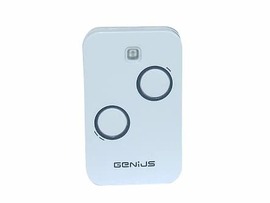
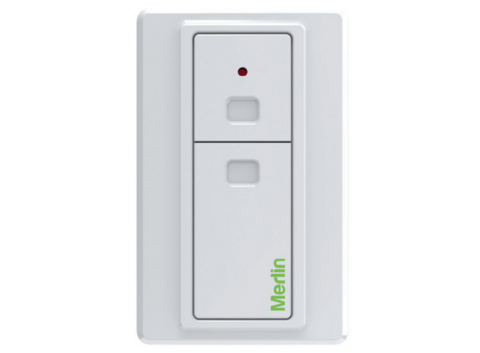
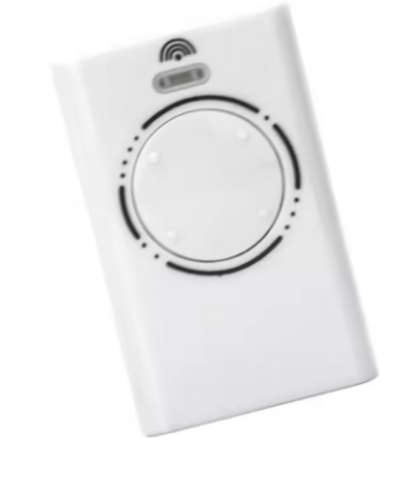
Where To Buy Garage Door Remotes In New Zealand
Buy Garage Door Remotes Online in NZ
A missing or failed remote can turn a normal morning into a nuisance fast. If you are wondering **where to buy garage door remotes in New Zealand**, the best place depends less on who has a remote in stock and more on whether they can identify the correct replacement for your opener, gate or receiver.
A garage remote is not a one-size-fits-all item. Two remotes may look almost identical but use different frequencies, coding systems or button functions. Buying the wrong one can mean waiting longer, spending twice, and still being unable to get into the garage. The practical answer is to start with a specialist that supports your particular brand, including older, obsolete and difficult-to-source models.
Where to buy garage door remotes in New Zealand
New Zealand homeowners have several options: specialist remote suppliers, garage-door companies, hardware retailers, online marketplaces and second-hand listings. Each has a place, but the right choice comes down to compatibility, support and how quickly you need reliable access restored.
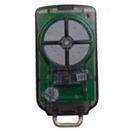
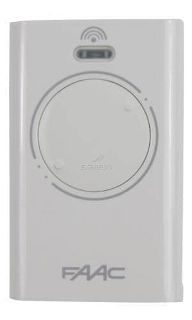
A specialist garage remote supplier is usually the strongest option when you know the opener brand, have an old handset to copy, or need help working out what you have. Specialists carry genuine OEM remotes as well as compatible aftermarket replacements for a much wider range of systems than a general retailer. That matters for brands such as Merlin, ATA, B&D, Dominator, Chamberlain, FAAC, Nice, LiftMaster, Boss and many legacy motors that are no longer sold new.
General hardware stores can be useful for common current models, batteries and basic accessories. Their range is often limited, however, and counter staff may not be able to confirm whether a remote works with your specific motor or receiver. If your remote is old, has dip switches, uses a rolling code, operates a gate, or has no obvious brand label, a standard shelf remote is a gamble.
Online marketplaces can appear cheaper, particularly for universal remotes. The trade-off is that “universal” does not always mean compatible with every opener. Some remotes only suit a narrow group of frequencies or require a particular receiver. Others may be genuine-looking copies without useful instructions, local support or a clear returns process. A low-priced remote is not good value if it cannot be programmed to your system.
For nationwide customers, Garage Door Remotes combines specialist online ordering with free New Zealand courier delivery. Auckland customers can also arrange click-and-collect or use a mobile service when the job needs hands-on programming, receiver installation, opener repair or a new motor.
Start by identifying your opener or existing remote
Before ordering, inspect the remote you have, even if it no longer works. A clear photo of the front, back and inside battery compartment can provide the details needed to find a replacement. Look for a brand name, model number, frequency label, FCC or IC number, button layout and any coding switches.
The motor unit itself is another good source of information. The label is commonly located on the side, underneath the cover, or near the light panel. Take note of the brand and model, not just the garage-door manufacturer. For example, the door may be branded differently from the motor that actually receives the remote signal.
If you have an older remote with small numbered switches inside, it is likely a fixed-code model. The replacement must be set to the same switch pattern. If there are no switches, it may use rolling-code programming through a learn button on the motor or receiver. Those systems need a remote made for that receiver family and usually need to be added at the motor.
The colour of a learn button can occasionally help identify a system, but it should not be the only detail used. Manufacturers have changed colours, housings and programming methods over the years. Model information and photos are more reliable.
Genuine remote or compatible replacement?
A genuine remote is made by the original automation brand. It is the straightforward choice when you want the same style, features and manufacturer specification as the old unit. It can be particularly useful for newer motors, multi-button remotes with specific functions, or systems where a genuine replacement is required.
A quality compatible remote is made to work with a defined group of original receivers. It can be a sensible, cost-effective alternative, especially for older systems where the original transmitter has been discontinued or is expensive. The key word is defined. A compatible remote should clearly state which brands, models or receiver types it suits.
It depends on the opener. For a common [current Merlin] or B&D motor, both genuine and compatible options may be available. For an obsolete gate receiver or an unusual imported motor, the best answer may be a specialist replacement transmitter, or fitting a new receiver that comes with new remotes.
When a replacement remote is not the answer
Not every access problem is caused by the handset. If the remote’s LED lights but the door does nothing, the issue could be a flat motor backup battery, receiver fault, aerial problem, motor fault or a remote that has been erased from memory. If the door works from the wall button but not from any remote, the receiver side deserves attention.
Likewise, if no correct replacement is available for a very old system, [replacing the receiver] can be more practical than replacing the entire garage-door motor. A new external receiver can often be added to an existing compatible opener, giving you modern remotes, better availability for future replacements and an opportunity to add a keypad or wireless wall button.
This is also worth considering for landlords and property managers. Rather than handing around ageing remotes of uncertain reliability, a new receiver and fresh remotes can make access easier to manage between tenants. For a driveway gate, a keypad can reduce the need to issue remotes to every contractor, family member or visitor.
Check the details before you order
A few minutes of checking can prevent most remote-ordering mistakes. Confirm how many buttons you need, whether the remote operates a garage door, gate or both, and whether you need one replacement or several. If a remote has three buttons, do not assume each one is decorative - it may control three separate doors or gates.
Also consider whether you need an instruction sheet or programming assistance. Many remotes can be coded by a capable homeowner in a few minutes, particularly when an existing working remote is available. Other jobs require access to the motor’s learn button, which may be high on the ceiling, inside a locked commercial premises or inaccessible without a ladder.
Avoid programming a remote while standing under a moving garage door, and keep children and vehicles clear during testing. For gate systems, test from a safe position where you can see the full opening area. If the door reverses, stops unexpectedly or makes unusual noise, the remote may not be the real issue.
What to send when asking for help
Specialist advice is most useful when it is based on the right information. Send photos of the old remote from both sides, the motor label, the receiver if separate, and any markings inside the remote. Explain what happens when you press the button: does the LED illuminate, does the motor click, does the door move, or is there no response at all?
Mention whether another remote still works. A working remote can often confirm the receiver system and make cloning or programming much simpler. If all remotes have been lost, say so. The solution may require opening the motor housing, resetting the receiver or arranging on-site help.
Delivery, collection and Onsite Auckland support
For most replacement remote orders, delivery speed matters because the garage may be your main way into the house, workshop or storage area. A New Zealand-based specialist avoids the uncertainty of overseas shipping and provides products suited to local brands and installations. Nationwide courier delivery means customers outside the main centres do not need to settle for whatever is on a local shelf.
Auckland customers have another option when remote coding is not a DIY job. A mobile technician can programme remotes on site, diagnose why the system is not receiving a signal, add a receiver to an older motor, repair an opener or install a replacement motor. This is often the quickest path when access has stopped completely, especially for gates, commercial sites and properties with no remaining working remote.
The right remote should restore access without creating a new problem. Find the brand and model first, choose a genuine or proven compatible option, and ask for confirmation when anything is unclear. A clear photo and a few details about your opener are usually enough to move from a dead remote to a working garage or gate again.
Posted: Wednesday 9 September 2026
Recent Posts
Archive
|
© Copyright New Zealand Garage Door Remotes - Site Map Phone: 0211724470 Auckland New Zealand |